
“We strive to provide children and families a space to grow together over time in their understanding and expression of what it means to love—and be loved by—Jesus.”
Hello and Welcome to St. Thom's Kids Ministry!
If you are new to St. Thomas, or just visiting, we are excited to welcome your child to our children's ministry. If you are returning, welcome back!
We ask that you register your child for St. Thom's Kids. This helps us to make sure that we have all the details we need to properly care for your child(ren) and to reach you as their parent/guardian if needed. It will also allow you to sign them up for special events in the future!
St. Thomas will keep your information on file for our own programming use, but we promise that we will not share it with others. You are free to request to make changes or to view your information at any time.
We ask that you register your child for St. Thom's Kids. This helps us to make sure that we have all the details we need to properly care for your child(ren) and to reach you as their parent/guardian if needed. It will also allow you to sign them up for special events in the future!
St. Thomas will keep your information on file for our own programming use, but we promise that we will not share it with others. You are free to request to make changes or to view your information at any time.
What we Believe
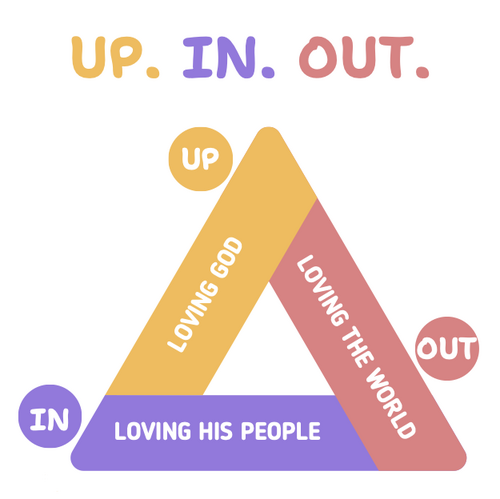
UP.
We believe that each child can have a vibrant and real relationship with God and can lead lives of joy and service in Jesus Christ.
IN.
We believe that each child can serve Christ and his people as members of his Church now--not when they "grow up."
OUT.
We believe that each child can serve and share the good news of Jesus Christ in the world in unique and compelling ways, no matter their age.

How we do this - Four Pillars
We ask one governing question of everything we do. Is this actually shaping children into the likeness of Christ, or is it merely keeping them occupied or entertained? Activities, curricula, events, and programs that genuinely answer yes to that question will be sustained. Those that do not will be set aside. This is not harshness — it is love. Children are too precious, and the time we have with them too short, to spend it on things that do not accomplish the desires our Lord has for them—to know him and make him known to others.
Parents are the primary shapers of their children’s souls. The church does not disciple children in place of their parents; we walk alongside families so that parents can do what only parents can do. Every initiative is designed either to directly nurture children in the faith or to equip parents to do that nurturing at home — in the rhythms of daily prayer, Scripture, conversation at the dinner table, and the ordinary texture of a household that is learning to live toward God. The church’s role is to ignite and sustain that household culture.
The whole congregation is the environment in which children grow. Children do not come to resemble Jesus by spending an hour a week with peers their own age in Children’s Church. They come to resemble him by being embedded in a community of adults who know their names, pray for them, take their spiritual lives seriously, and model — imperfectly but genuinely — what it looks like to follow Christ over a lifetime. The most powerful formation happens not in classrooms but in the ordinary life of the congregation: shared meals, intergenerational worship, the witness of older saints, the welcome of the church family.
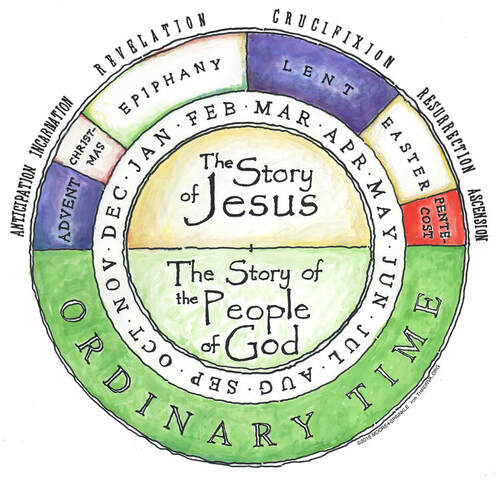
Liturgical rhythm is the architecture of Christian growth. The Book of Common Prayer, the church calendar, and the daily office are not supplements to discipleship — they are its primary structure. Children who grow up praying morning prayer, observing the rhythms of the church calendar, hearing the Scriptures read in their fullness across the year, and receiving the sacraments regularly are being shaped in ways that no curriculum alone can achieve. The liturgy works on the body, the memory, and the imagination — reaching parts of a person that mere instruction never touches.
The Liturgical Year